

Photosynthesis: How Plants Make Their Own Food!
Images
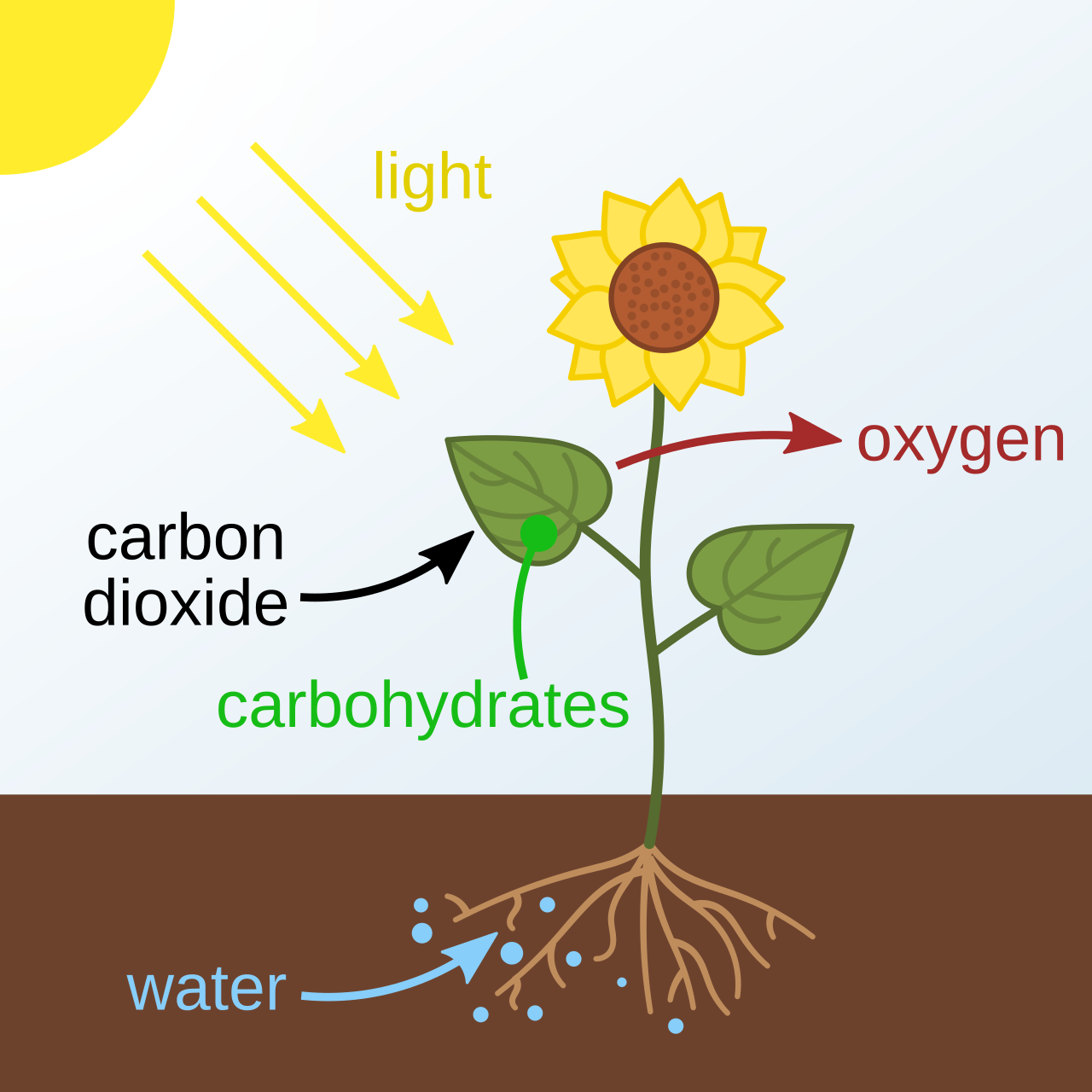
Photosynthesis


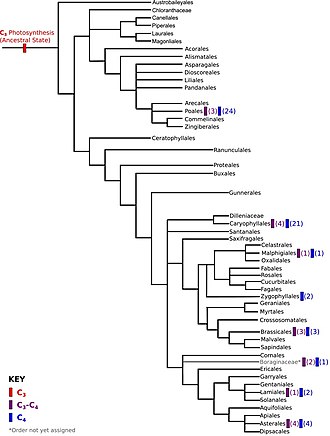


The Dual Nature of Photosynthesis
Photosynthesis is a complex biochemical process that can be broadly divided into two stages: the light-dependent reactions and the light-independent reactions (also known as the Calvin cycle). The light-dependent reactions occur in the thylakoid membranes within chloroplasts. Here, chlorophyll and other pigments absorb photons of light, exciting electrons.
This energy is used to split water molecules (photolysis), releasing oxygen as a byproduct, protons (H+), and high-energy electrons. These electrons then flow through an electron transport chain, generating ATP (adenosine triphosphate) and NADPH (nicotinamide adenine dinucleotide phosphate), which are energy-carrying molecules. These molecules are essential for the next stage.
The efficiency of light capture is remarkable, with plants optimizing their leaf structures and pigment arrays to maximize solar energy absorption across various wavelengths.
The Calvin Cycle
The light-independent reactions, or the Calvin cycle, take place in the stroma of the chloroplasts. This cycle does not directly require light but relies on the ATP and NADPH produced during the light-dependent reactions. The primary goal is carbon fixation: taking atmospheric carbon dioxide and incorporating it into organic molecules.
This process begins with an enzyme called RuBisCO (ribulose-1,5-bisphosphate carboxylase/oxygenase) catalyzing the reaction between CO2 and a five-carbon sugar, RuBP. Through a series of enzymatic steps, the fixed carbon is reduced and rearranged to form glyceraldehyde-3-phosphate (G3P), a three-carbon sugar. Some G3P molecules are used to regenerate RuBP, allowing the cycle to continue, while others are exported from the chloroplast to be synthesized into glucose, sucrose, starch, and other essential organic compounds that fuel plant growth and development.
Evolutionary Significance and Global Impact
Photosynthesis is one of the most significant evolutionary innovations in Earth's history. The earliest forms of photosynthesis, likely originating in cyanobacteria billions of years ago, gradually transformed the planet's atmosphere by releasing oxygen. This 'Great Oxidation Event' paved the way for the evolution of aerobic respiration and complex multicellular life.
Today, photosynthesis remains the primary mechanism for converting solar energy into biomass, forming the base of nearly all food webs. It plays a critical role in global biogeochemical cycles, particularly the carbon cycle. By sequestering vast amounts of atmospheric CO2, photosynthesis acts as a natural carbon sink, mitigating the greenhouse effect and helping to regulate global climate.
The efficiency and adaptability of photosynthetic organisms are key to maintaining planetary habitability.
Modern Relevance and Future Potential
Understanding photosynthesis is crucial for addressing contemporary challenges such as food security and climate change. Agricultural practices aim to optimize crop yields by enhancing photosynthetic efficiency, while research into artificial photosynthesis seeks to mimic the process for sustainable energy production and carbon capture technologies. For instance, developing more efficient RuBisCO enzymes or engineering plants that can thrive in less-than-ideal conditions could revolutionize agriculture.
Furthermore, studying the intricate mechanisms of light harvesting and energy conversion in photosynthetic organisms provides blueprints for designing advanced solar cells and biofuels. The continued exploration of photosynthesis offers profound insights into life's fundamental processes and holds immense potential for technological innovation and environmental stewardship.
See also
Frequently Asked Questions
What are the two main stages of photosynthesis?+
How does the light-dependent reaction produce oxygen?+
What role does RuBisCO play in photosynthesis?+
Why is photosynthesis important for Earth's climate?+
How can scientists improve crop yields using photosynthesis knowledge?+
Based on content from Wikipedia · Licensed under CC BY-SA 4.0